Classic WPC or Co-Extrusion – Which Decking Board Is the Better Choice?
At a Glance
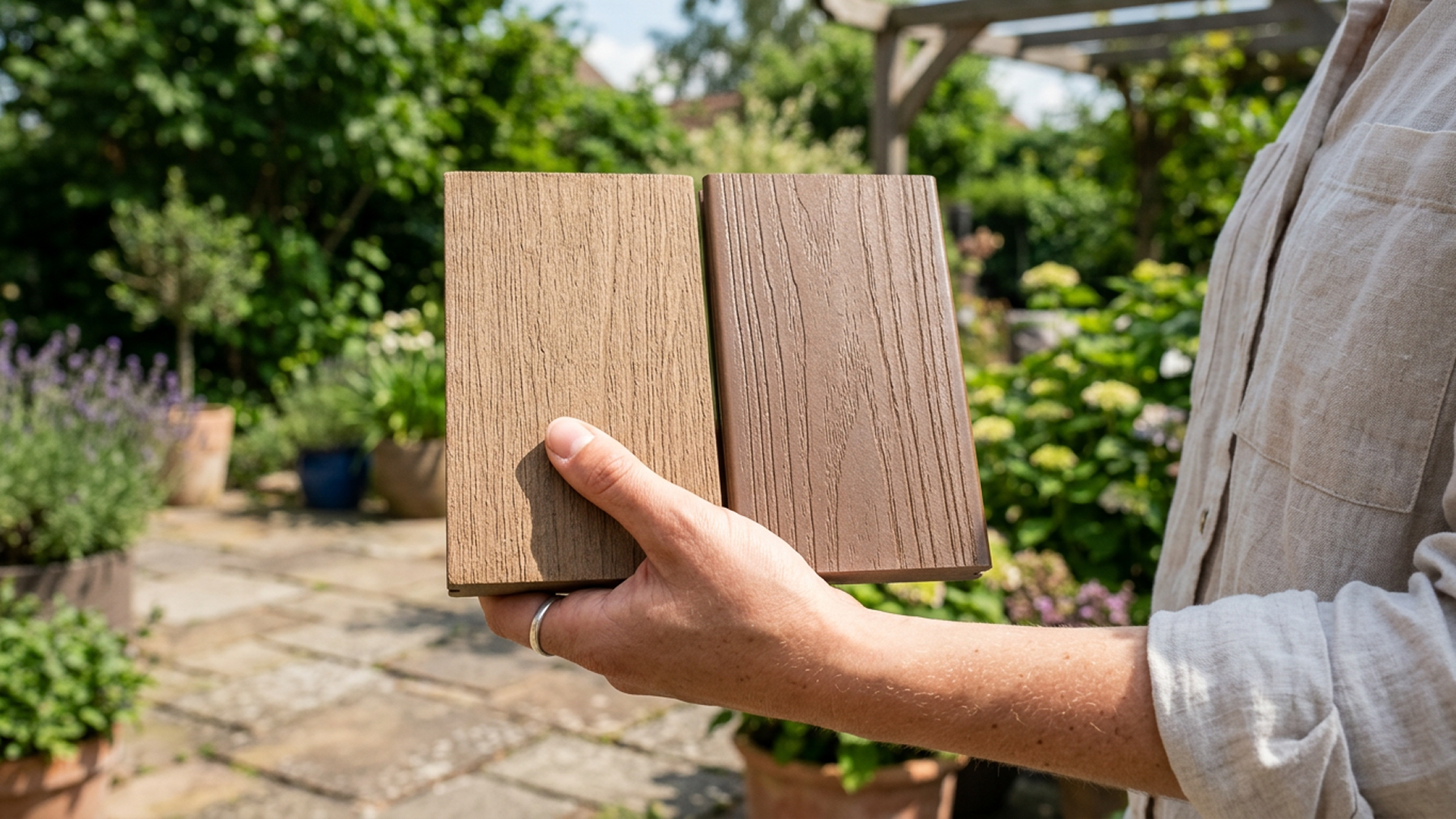
Classic WPC: more affordable, proven, and solid quality. Co-extrusion: more resistant, more colour-stable, and easier to maintain.
Co-extrusion is the better choice for demanding use. Classic WPC is the smart economical solution for standard projects.
Classic WPC or Co-Extrusion: What Is the Real Difference?
Not all WPC decking boards are made in the same way. In addition to shape and colour, the surface technology plays a particularly important role. Many customers therefore ask: Classic WPC or co-extrusion — what exactly is the difference, and which one is right for my terrace?
In this guide, you will find a clear and honest comparison of both options — so you can make the right decision for your specific project.
What Is Classic WPC?
Classic WPC consists of a homogeneous mixture of wood fibres and plastic. It is the proven standard solution that has been used successfully on terraces across Germany for many years.
Key properties of Classic WPC:
- Naturally looking surface with a warm wood feel
- Good price-performance ratio for standard projects
- Solid durability under normal conditions
- A reliable choice for classic terraces without extreme stress
Therefore, Classic WPC is ideal for gardens, smaller terraces, and secondary areas where budget and proven quality are the priority.
What Is Co-Extrusion?
Co-extrusion is a more advanced manufacturing process. The board is produced with an additional protective outer layer that is applied during production. As a result, the surface is significantly more resistant than that of a Classic WPC board.
Key properties of co-extrusion boards:
- Particularly resistant and hard-wearing surface
- Higher colour stability and UV resistance
- Better protection against stains, moisture, and weathering
- Even easier to maintain — often just a quick rinse is enough
However, co-extrusion boards come at a higher price. For most demanding applications, the additional investment pays off over the long term.
Classic WPC vs. Co-Extrusion: Side-by-Side Comparison
| Criterion | Classic WPC | Co-Extrusion |
|---|---|---|
| Surface | Open | Protective layer |
| Maintenance | Low | Very low |
| Stain resistance | Good | Very high |
| UV resistance | Good | Very high |
| Price | Lower | Higher |
| Best application | Standard use | Demanding use |
As a result, co-extrusion wins on performance and longevity. Classic WPC wins on affordability and value for standard projects.
When Is Classic WPC the Right Choice?
Classic WPC is the better fit if:
- You are looking for a budget-conscious solution without compromising on quality
- The terrace will be used normally, without heavy or frequent loads
- No extreme wear, staining, or UV exposure is expected
- You prefer a classic, natural wood look at a lower price point
Typical applications include gardens, smaller terraces, balconies, and secondary areas where cost efficiency matters most.
When Is Co-Extrusion Worth the Investment?
Co-extrusion is the smarter long-term choice if:
- The terrace will be heavily or frequently used
- Children, guests, or pets are regularly on it
- Stains from grilling, food, or drinks are a realistic concern
- Maximum ease of maintenance is a priority
- You want the terrace to look like new for as long as possible
For example, a large family terrace with a pool area is exactly the kind of demanding application where co-extrusion proves its value year after year.
3 Common Mistakes When Choosing Between Classic WPC and Co-Extrusion
1. Choosing Classic WPC solely to save money. Classic WPC is a solid choice for standard use. However, in demanding conditions, the open surface absorbs more dirt and requires more frequent cleaning. In result, the lower purchase price can lead to higher maintenance costs over time.
2. Underestimating stain exposure. Terraces near BBQ areas, dining zones, or pools are exposed to stains far more often than expected. Co-extrusion’s protective layer makes cleaning significantly easier in these situations.
3. Ignoring long-term colour stability. Classic WPC can fade more noticeably over the years in direct sunlight. Co-extrusion boards, in addition, maintain their colour significantly better thanks to the UV-resistant outer layer.
Conclusion: Choose the Surface That Fits Your Life
Both Classic WPC and co-extrusion are sensible solutions — but for different requirements. Classic WPC is solid, economical, and perfectly sufficient for standard projects. Co-extrusion is more durable, more robust, and easier to maintain over the long term. Therefore, if you want the lowest possible maintenance effort and maximum colour stability for years to come, co-extrusion is usually the better investment.
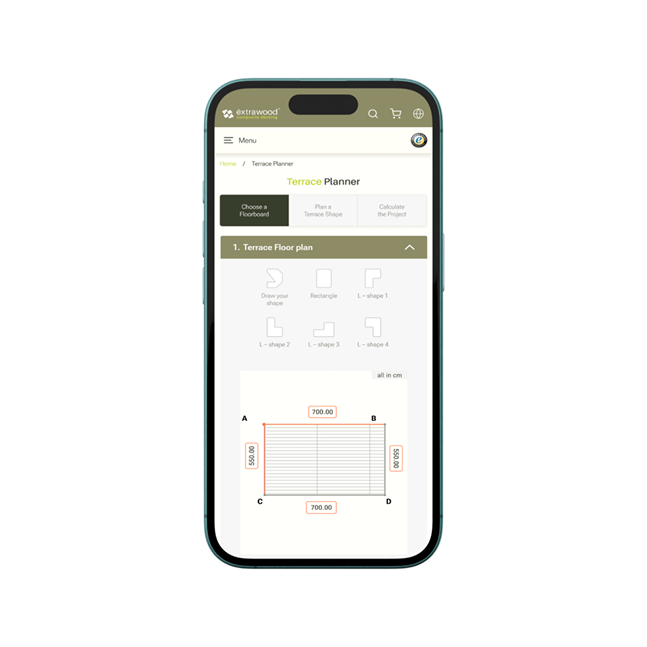
Not sure which option suits your project? Use our terrace planner to find the right decking board and calculate materials and costs in minutes.